
Trepont Fund: Navigating deeptech geopolitics, B2G sales cycles, evergreen funds
Trepont invests in early-stage deeptech across South Korea, Israel and Silicon Valley

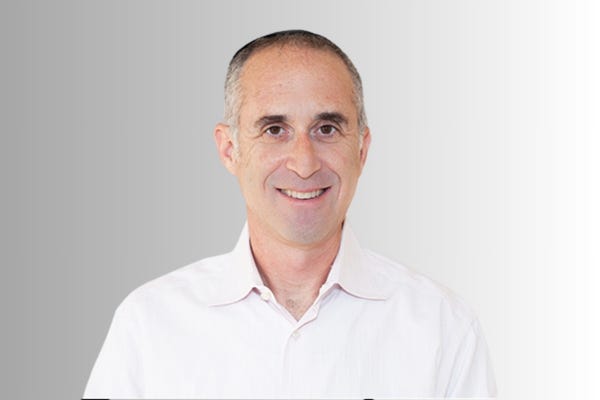
The definition of deeptech can often be “squishy”, says Trepont Fund’s lead partner Ely Razin.
That’s partly because what was once considered “military grade tech” has now found their way into everyday devices. But like it or not, dual use technology — whether in semiconductors, AI, mobility or cybersecurity — will continue to be highly sought after in the months and years to come.
There are important distinctions to be made within deeptech, points out Razin, who also serves as chief strategic investments officer at Israeli VC OurCrowd.
There is intellectual property backed deeptech which can be monetised over 5-8 years and there is deep deeptech — innovations getting spun out of PhD research and university labs which can take up to decades to bring to market.
There is also deeptech which may be aimed at BigTech or corporates as customers, versus military deeptech which may be sold to governments for defensive and national security purposes.
All of it is deeptech, but not all of it carry the same level of risk. This has implications on capital allocations and exit expectations for deeptech investors like Trepont, which invests in early-stage deeptech in South Korea, Israel and Silicon Valley.
“I would say it's one that certainly occupies quite a bit of my own brain cells, because you're right, a 10-year fund cycle kind of mandates you think in 10-year chunks, and some of these technologies take longer to emerge,” said Razin over a video call.